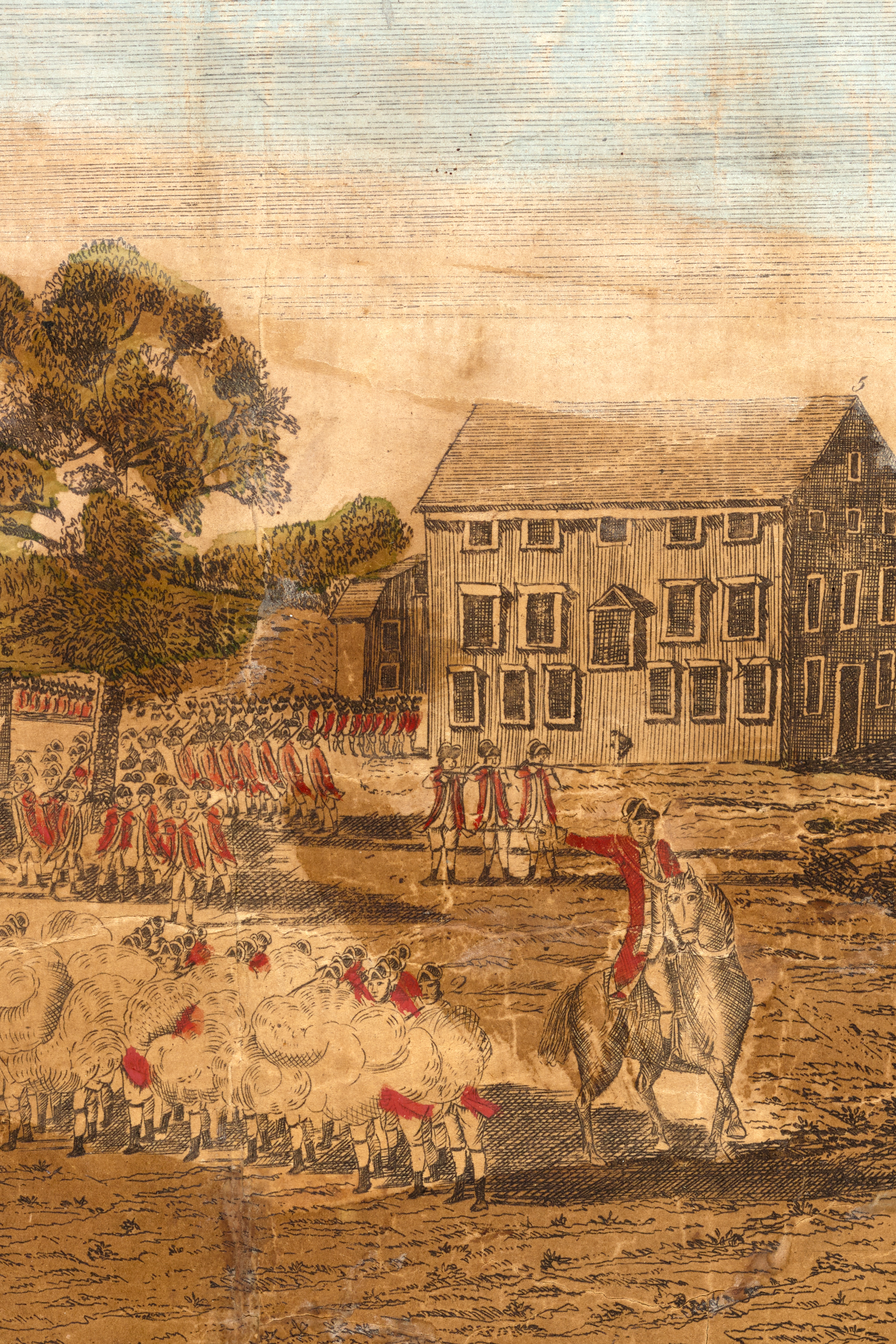
In September 1776, Ezra Lee climbed inside a hand-cranked wooden vessel the size of a wine barrel, sealed the hatch above his head, and began to crank. His target was HMS Eagle, the sixty-four-gun flagship of the British fleet anchored in New York Harbor. His air supply would last thirty minutes. His only light came from bioluminescent fungus smeared on his compass.
The vessel was the Turtle, designed and built by David Bushnell, a Yale graduate who had spent every penny he had constructing a machine that could end the British blockade of American harbors. It was the first combat submarine in history.
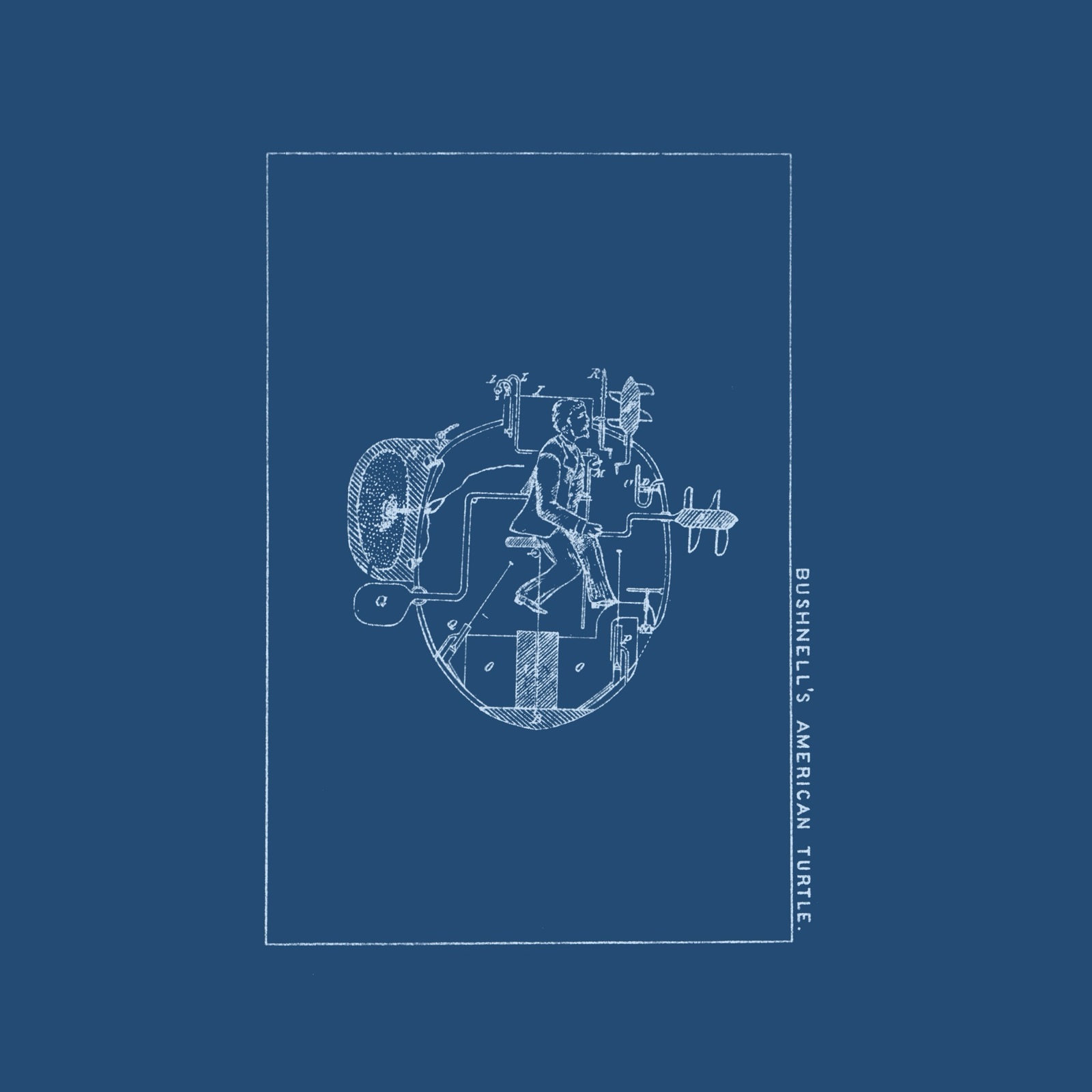
This Heritage Lab Technical Study presents the Turtle through two visual treatments of Lieutenant F.M. Barber's 1875 technical reconstruction: restored white prints faithful to the original 1881 publication, and original blueprint reinterpretations that translate the engraving into Prussian blue. The collection includes a printed guide with the full story of the submarine, its inventor, its pilot, and the night mission that started the age of submarine warfare.
What's Included
- 8 prints in two aesthetics: restored white (faithful to 1881 original) and blueprint reinterpretation (original artwork by Heritage Lab)
- Three-view plate: exterior profile, top-down cross-section, and cutaway with operator (11×14 and 10×8)
- Standalone cutaway: the operator inside the vessel with every mechanism visible (8×10 and 4×6)
- All files 300 DPI, print-ready JPEG
- Technical Study guide: the story of Bushnell, Ezra Lee, the mission, the drawings, and a full component key (A through X)
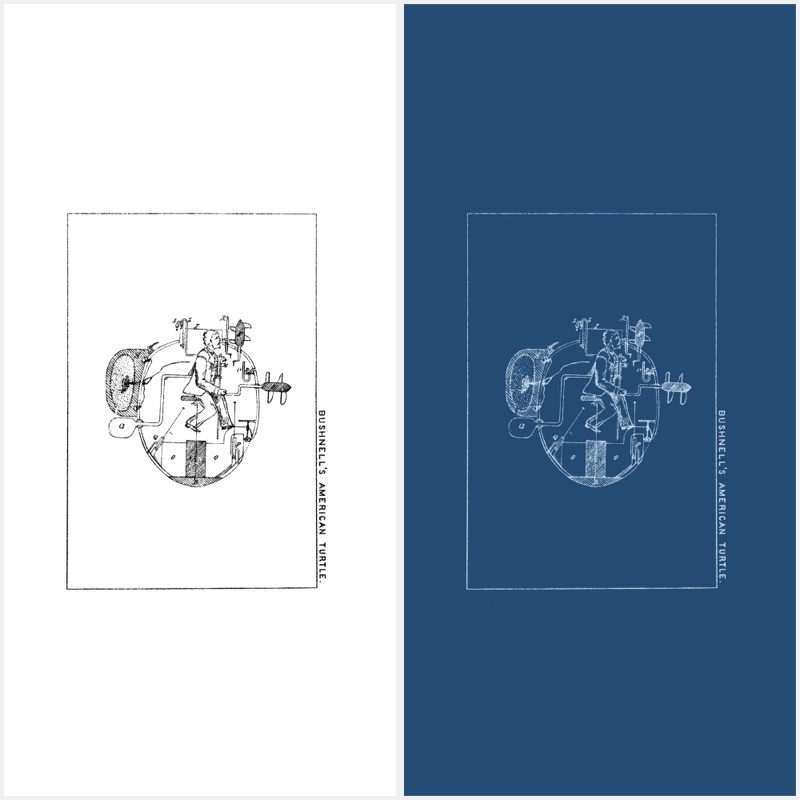
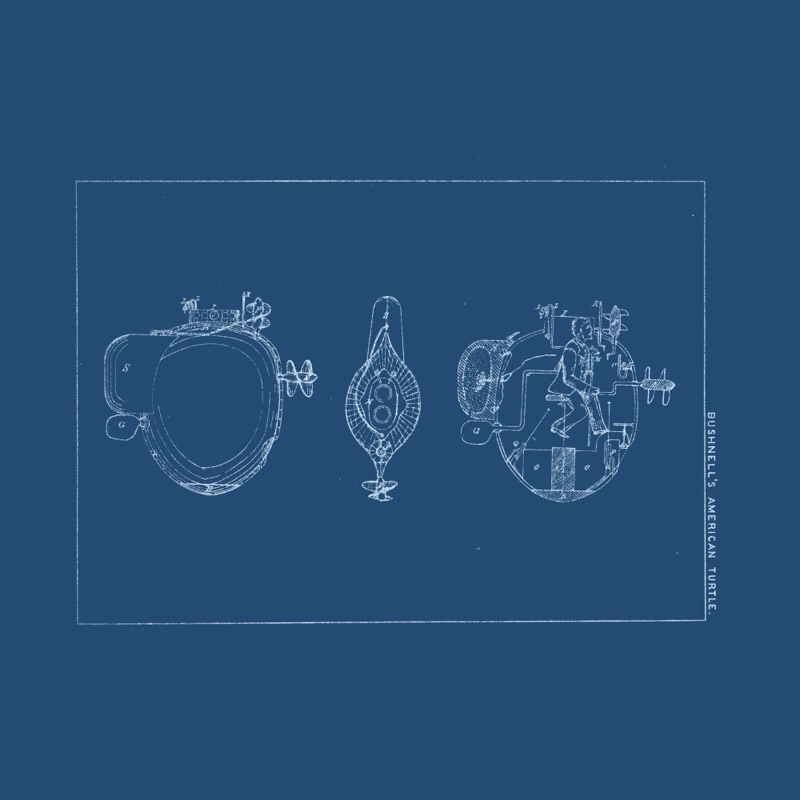
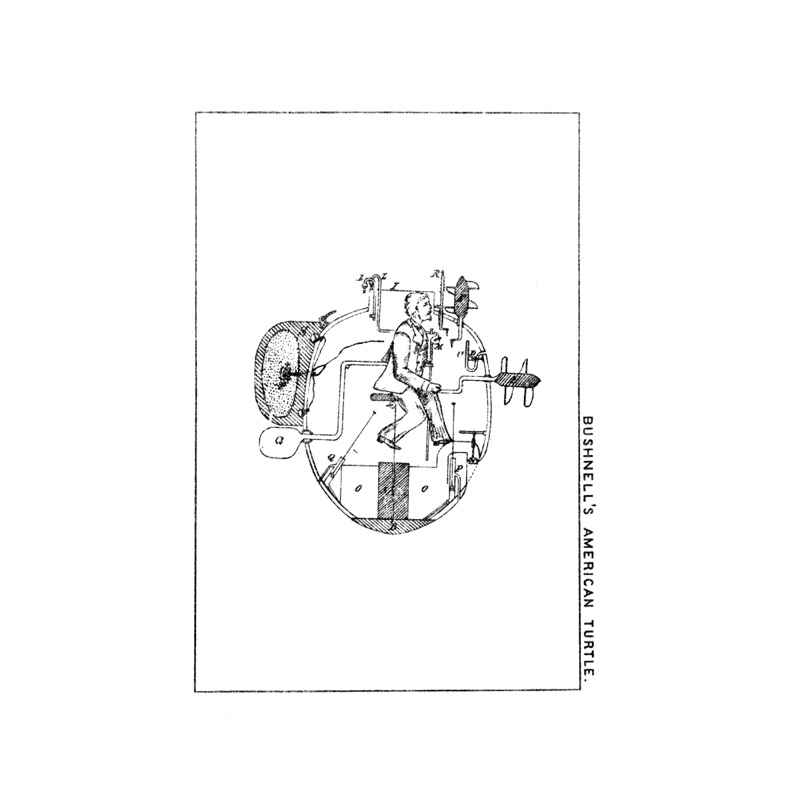
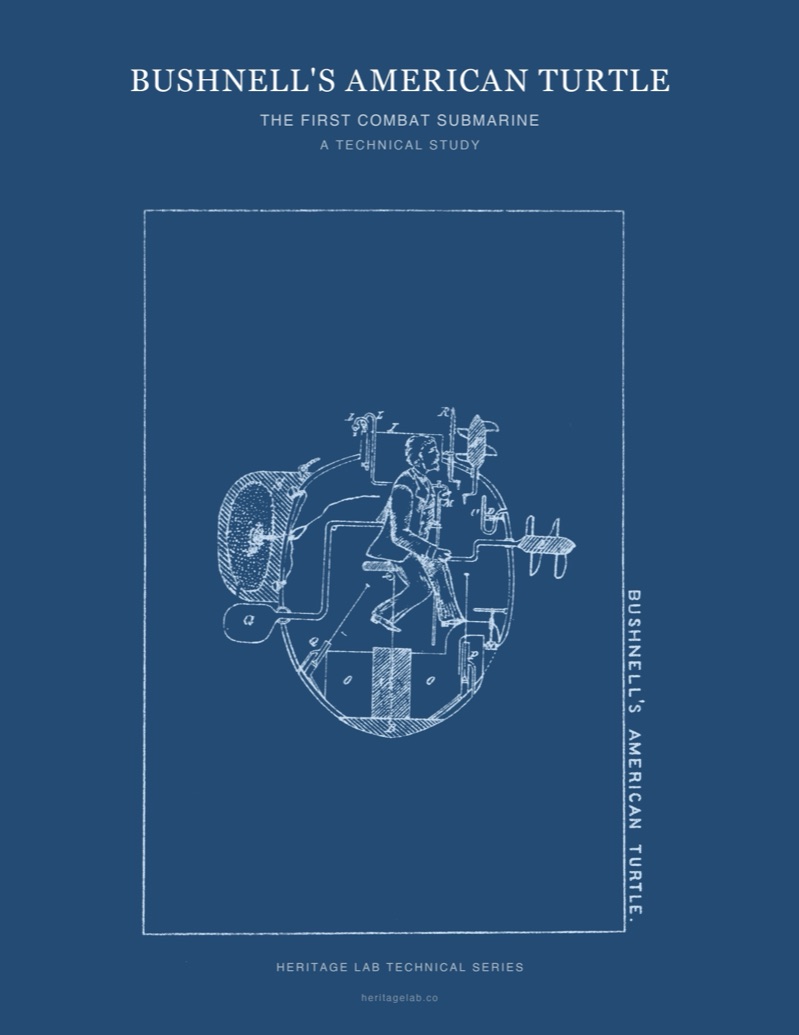
Two Aesthetics
Every print comes in two versions. Restored white preserves the original ink work. Blueprint reinterpretation is new artwork by Heritage Lab, translating the engraving into Prussian blue.
Print Ready
300 DPI JPEGs in four sizes, from 4×6 to 11×14. Designed for home printing and professional framing.
The Full Story
The guide documents everything: Bushnell's invention, Ezra Lee's mission, the provenance of every image, and a labeled component key for every mechanism in the submarine.
The Story
David Bushnell built the Turtle at his brother's farm in Saybrook, Connecticut, spending everything he had. Isaac Doolittle, a New Haven clockmaker, manufactured the valves and pumps. The propeller design was Bushnell's own invention: the first screw propeller known to have powered a watercraft.
Ezra Lee's mission against HMS Eagle failed when his boring screw struck iron, almost certainly the rudder fittings rather than the copper-sheathed timber he had trained for. He surfaced, was spotted, and released the powder magazine, which detonated harmlessly in the East River. The mission had failed, but the age of submarine warfare had begun.
George Washington called the Turtle "an effort of genius."
Original Artwork
No original plans by David Bushnell survive. The technical drawings in this collection are based on reconstructions by Lieutenant F.M. Barber, USN, created in 1875 from Bushnell's own written description in a letter to Thomas Jefferson.
The white versions have been carefully restored from a high-resolution scan of the original 1881 publication held by the Library of Congress. The blueprint versions are a Heritage Lab original: the ink work inverted and mapped to Prussian blue, evoking the cyanotype process used for technical drawings from the mid-nineteenth century onward. These are not historical reproductions, but a creative reimagining designed for display.
The guide documents exactly which images are restored originals and which are Heritage Lab reinterpretations. You always know what you are looking at.
Sources
Three-view plate: "Bushnell's American Turtle," from Henry L. Abbot, The Beginning of Modern Submarine Warfare (1881). Library of Congress, Prints and Photographs Division (cph 3c10384).
Cutaway drawing: Lieutenant F.M. Barber, USN, 1875. Based on David Bushnell's letter to Thomas Jefferson, October 13, 1787. Published in Transactions of the American Philosophical Society, Volume 4 (1799).
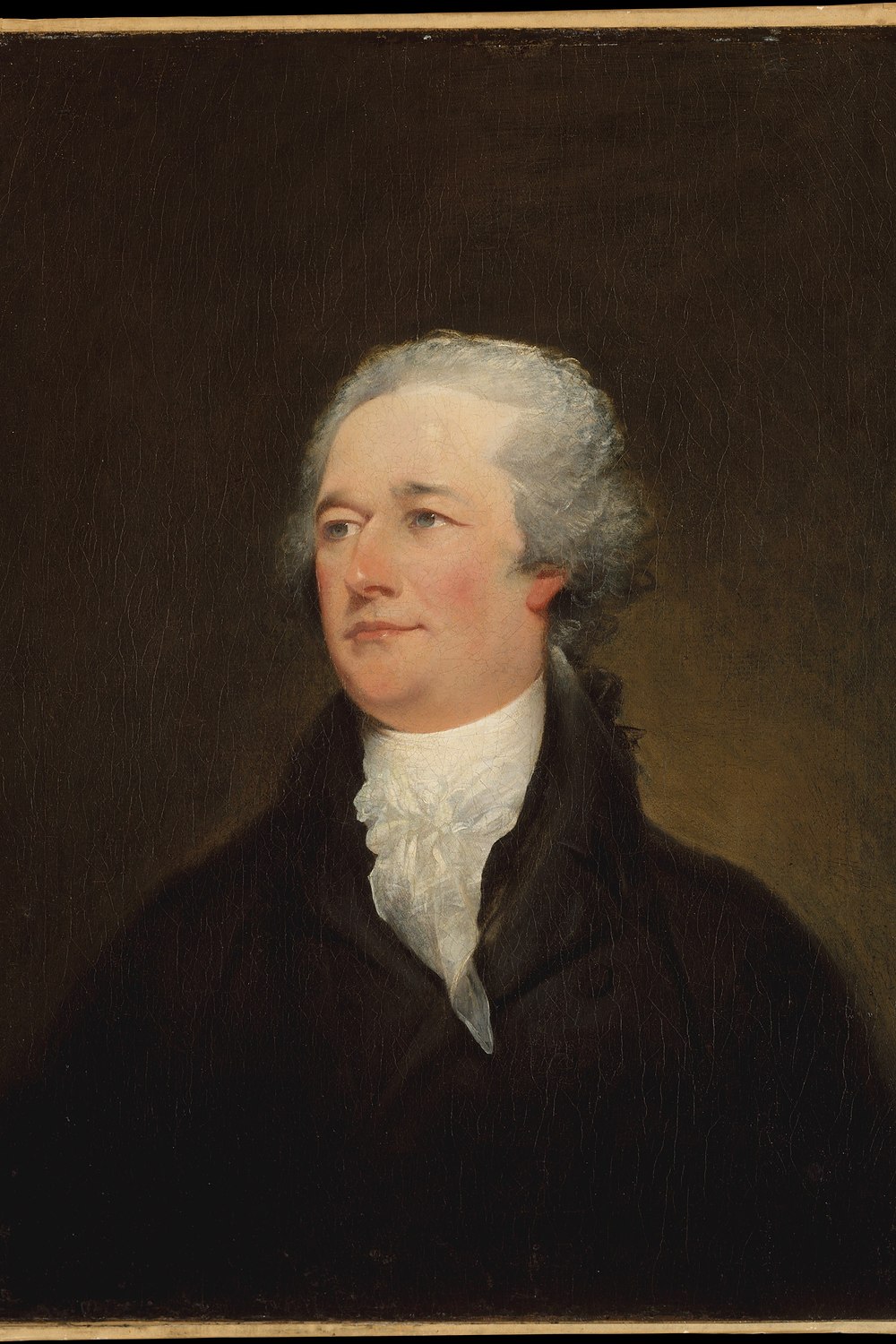
Portrait of Ezra Lee: Engraving, undated. Wikimedia Commons.